Cybersecurity continues to be an ever-evolving field, with new challenges and solutions arising at a rapid pace.
One of the most significant recent trends is the adoption of Zero Trust Architecture (ZTA). Unlike traditional security models, ZTA operates on the principle that threats can come from both outside and inside the network.
This approach demands strict verification for every user and device trying to access resources on a private network. Global firms, including Microsoft and Google, have made strides in implementing Zero Trust measures to mitigate risks associated with remote work.
Recent reports from leading cybersecurity researchers indicate that the demand for Zero Trust solutions has surged by over 30% in the past three months.
With traditional perimeter security models becoming obsolete due to increasing sophisticated cyber threats, many organizations are investing in ZTA to enhance their data security layers.
Zero Trust ensures that access to data is granted based on stringent identity verification, promoting a 'never trust, always verify' stance.
As cyber threats like ransomware attacks and data breaches grow more prevalent, Zero Trust Architecture offers a much-needed paradigm shift.
This shift is driven by the idea that trust is a vulnerability; thus, continuous monitoring and validation of user privileges are essential.
By implementing ZTA, businesses can ensure better protection of sensitive information and maintain compliance with stringent data regulations.
Incorporating Zero Trust into an organization’s cybersecurity strategy requires more than just technological investment.
It fosters a culture of security-awareness and continuous adaptation to emerging threats, providing a vigilant defense mechanism against potential breaches.
Companies like KPMG have integrated ZTA into their risk management protocols, highlighting its effectiveness in safeguarding large-scale operations.
As the cybersecurity landscape continues to transform, adopting a Zero Trust Architecture is not just a trend, but a necessity for businesses aiming to safeguard their digital assets in the modern world.
Emerging Trends in Cybersecurity: The Rise of Zero Trust Architecture Featured
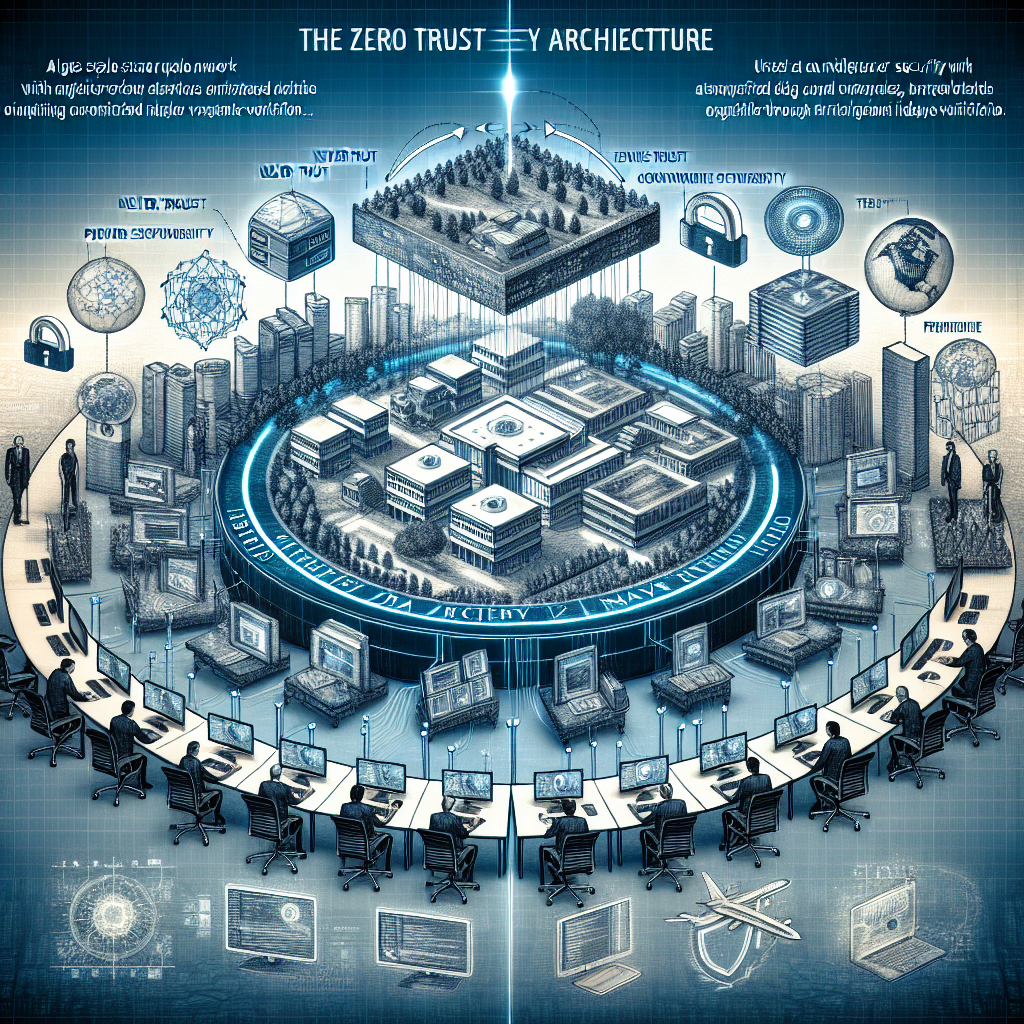 Explore the emerging trend of Zero Trust Architecture in cybersecurity, its importance in protecting data, and its adoption by global firms.
