The rise of remote work has transformed the corporate landscape, offering flexibility and improved productivity. However, this shift has also introduced significant cybersecurity challenges that demand urgent attention.
Remote work environments often lack the robust cybersecurity infrastructure found in traditional office settings. Personal devices, unsecured networks, and inadequate security protocols expose sensitive company data to cyber threats. This concern necessitates enhanced security measures tailored to the remote work model.
Recent analysis reveals a surge in phishing attacks and ransomware incidents targeting remote workers. Cybercriminals exploit vulnerabilities such as weak passwords and outdated software, making remote employees easy targets. Companies must prioritize employee education on identifying phishing emails and maintaining strong password hygiene to mitigate these risks.
Another critical area necessitates the implementation of Virtual Private Networks (VPNs). VPNs encrypt internet connections, ensuring secure data transmission even on public or unsecured networks. Organizations should mandate VPN usage to protect proprietary data and safeguard employee privacy in remote setups.
Multi-factor authentication (MFA) has emerged as another indispensable tool for fortifying remote work security. MFA adds an extra layer of security by requiring additional identity verification steps, making unauthorized access considerably more challenging. This precaution is vital in maintaining control over sensitive information and preventing data breaches.
Real-life cases highlight the consequences of neglecting these security measures. A well-documented incident involved a global corporation that suffered a major data breach due to lax remote work security, resulting in enormous financial and reputational damage. Conversely, companies that proactively implement comprehensive cybersecurity strategies report increased resilience against cyber threats.
Adaptive cybersecurity measures are crucial as remote work becomes a permanent feature of numerous industries. Integrating advanced technologies like AI-driven threat detection and automated security updates can further fortify defenses against evolving cyber threats.
Ultimately, embracing these security measures is imperative for businesses seeking to protect their data, maintain customer trust, and thrive in an increasingly digital world.
Navigating Cybersecurity Challenges in Remote Work Environments Featured
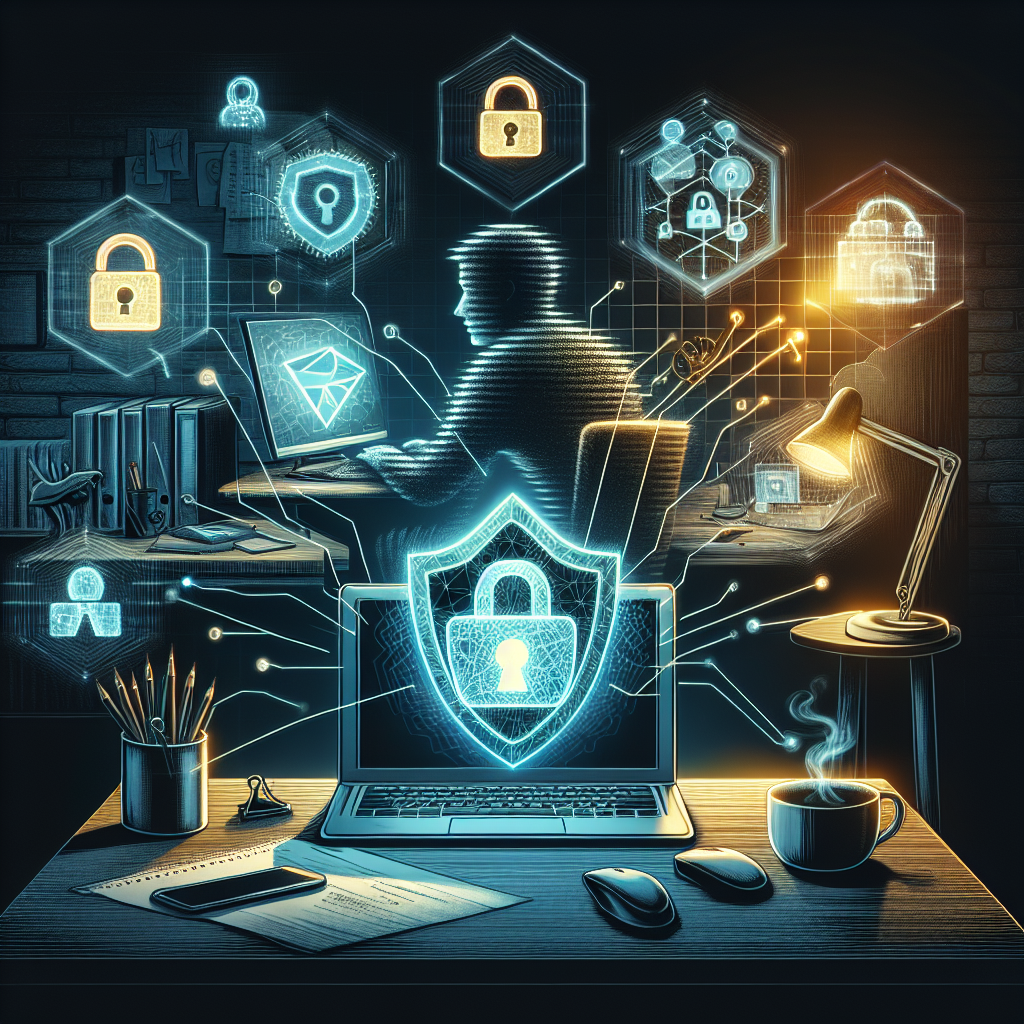 An insightful article on cybersecurity challenges facing remote work environments, highlighting crucial security measures like VPNs and multi-factor authentication to protect sensitive data.

Latest from Security Tech Brief
- Current Cybersecurity Trends: Combatting Phishing Attacks in 2024
- Shifting Cybersecurity Paradigms: How Remote Work is Redefining Security Strategies
- Strengthening Cybersecurity: The Rise of Zero Trust Architecture
- Cybersecurity Trends: Navigating the Evolving Landscape
- Emerging Cybersecurity Challenges in the Financial Sector