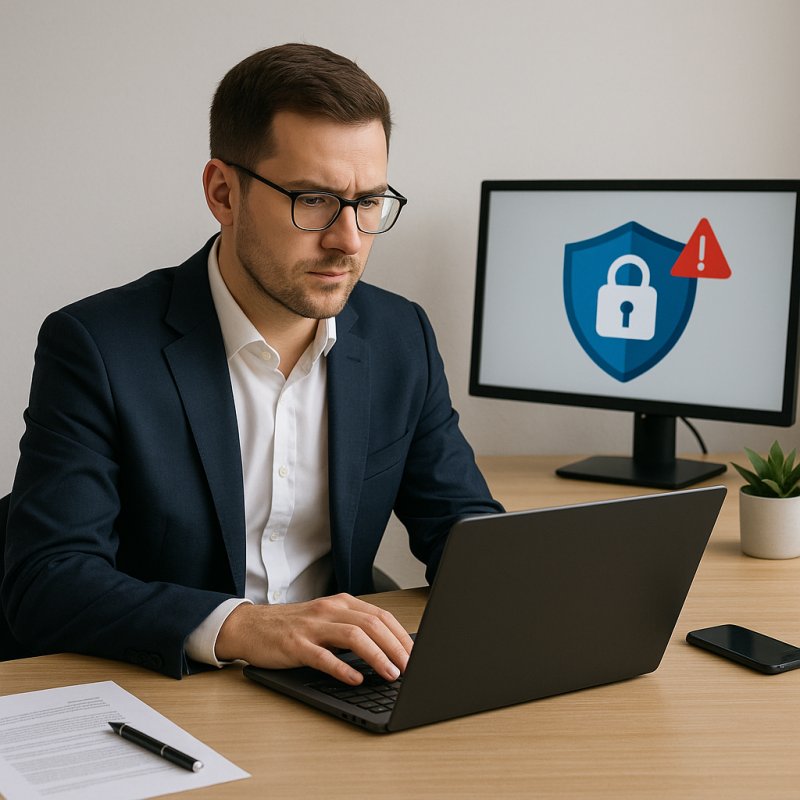
 Explore how remote work is reshaping cybersecurity strategies as companies adopt innovative defenses like Zero Trust architecture to combat evolving cyber threats.
Remote work, a workplace arrangement once considered a luxury, has become the norm across numerous industries. It offers flexibility, reduces costs, and has been proven to boost productivity for many businesses. However, this shift has substantially altered the cybersecurity landscape, prompting companies to rethink their security strategies.
One significant trend in the cybersecurity domain is the increasing emphasis on robust remote work security protocols. Companies have to safeguard their networks against ever-evolving cyber threats while ensuring employees remain productive from their home offices. This is where the Zero Trust security model, a concept that has been gaining traction, becomes an indispensable tool. The Zero Trust architecture is based on the premise of "never trust, always verify," which requires strict identity verification for every individual or device attempting to access resources on a private network, irrespective of whether they are within or outside the network perimeter.
Recent reports have highlighted a spike in phishing attacks and ransomware targeting remote employees. Cybercriminals have become more sophisticated, employing advanced tactics to exploit vulnerabilities possibly overlooked by inadequate home security measures. This brings to light the importance of regular training and awareness programs designed to educate employees about potential threats and the best practices for maintaining a secure work environment.
Additionally, companies are investing more in cloud security solutions to protect the vast amounts of sensitive data that are now being shared and stored remotely. Cloud-based cybersecurity solutions often provide more scalable and dynamic protections than traditional on-premise security measures. They help detect abnormal activities and respond quickly to potential breaches, thus minimizing damage.
During my tenure at PWC, we implemented comprehensive cybersecurity frameworks for various clients that opted for remote work arrangements. We focused on multi-factor authentication, endpoint security, and privileged access management to ensure a robust defense against potential breaches. This hands-on experience demonstrates that the effort to maintain cybersecurity standards amidst shifting work trends is attainable with the right combination of tools and strategies.
The evolution of remote work has undeniably prompted a revolution in cybersecurity strategies. By leveraging the latest technologies and prioritizing employee education, organizations can fortify their defenses against an increasingly complex cyber threat landscape.
