

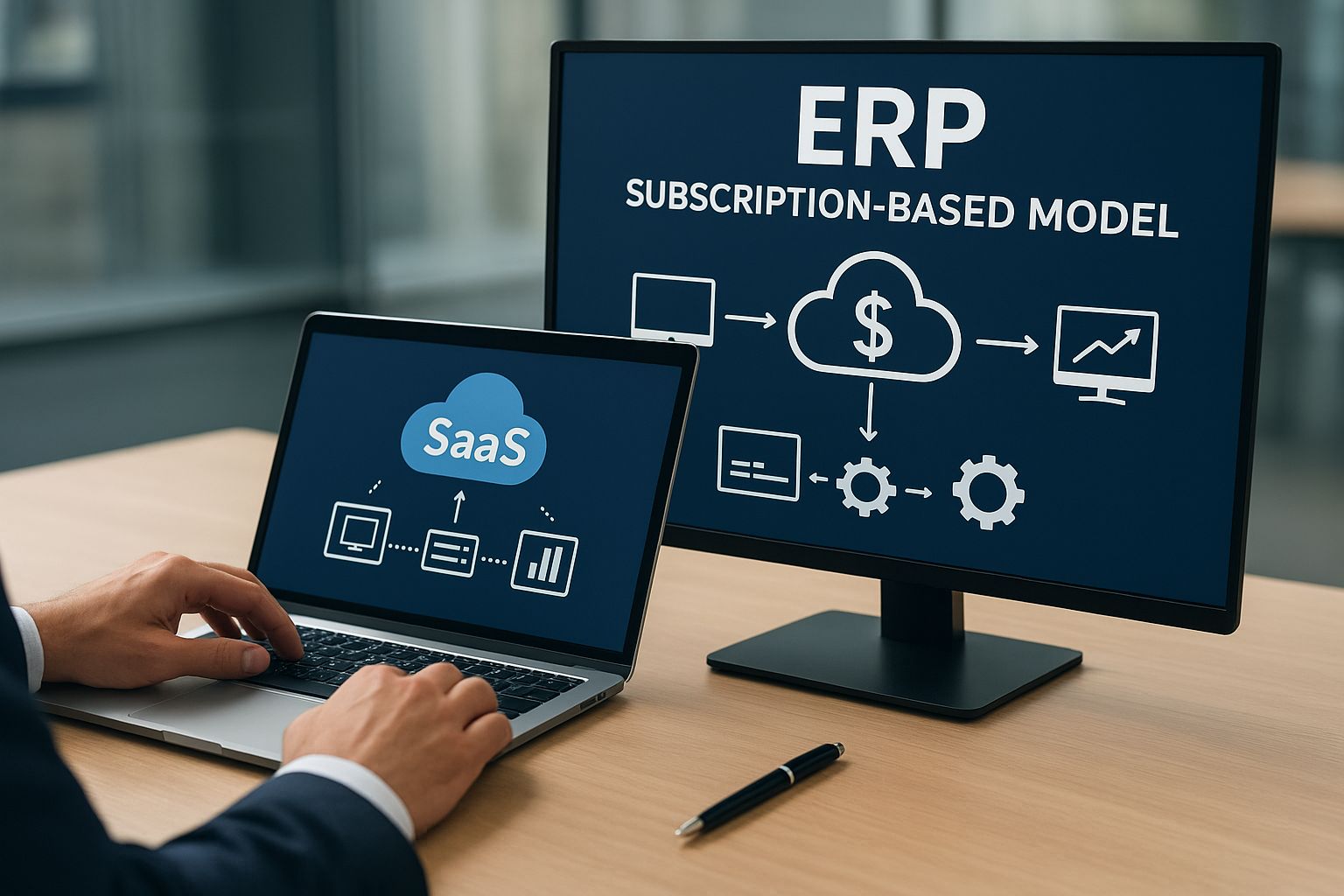
The enterprise resource planning (ERP) landscape is witnessing a notable shift as subscription-based models increasingly become the norm, redefining traditional purchasing, deployment, and usage patterns. This trend, driven by the rising demand for flexible and scalable solutions, is altering how businesses engage with ERP providers.
Notably, this transition is seeing ERP solutions adopt a Software as a Service (SaaS) model, offering clients the ability to customize and scale their requirements as the business environment evolves. The switch to a subscription model provides businesses with greater financial predictability and reduced upfront costs, encouraging smaller companies to explore advanced digital solutions they previously deemed inaccessible.
Moreover, subscription models are altering the competitive dynamics among ERP vendors. Evolving from one-time sales to ongoing service partnerships, vendors are now more actively engaged in ensuring the sustained success of their ERP implementations. This engagement often includes regular software updates, enhancements, and dedicated customer support, providing clients with ongoing value and bolstering vendor loyalty.
Value-added resellers (VARs) play a crucial role in this evolving ecosystem. They frequently act as the bridge between ERP providers and end-users, delivering industry-specific customizations and integrating the solutions seamlessly into existing business processes. The shift to subscription models presents VARs with opportunities and challenges. While they can benefit from consistent revenue streams, their capability to strike a balance between adding value and managing recurring service commitments is key to thriving in this landscape.
Case studies illustrate how some VARs successfully embraced this transformation. For instance, a leading VAR specializing in the manufacturing sector pivoted to a subscription model, offering a modular ERP solution with personalized features tuned to clients’ operational preferences. Their success story demonstrates that the proactive adaptation of subscription-based offerings can cement a VAR’s position as an indispensable partner to businesses navigating their digital transformation.
In conclusion, the mainstream adoption of subscription-based ERP models is not merely a trend; it represents a fundamental shift in how ERP solutions are purchased, deployed, and maintained. Organizations that embrace this paradigm shift are not just optimizing their resource utilization but also establishing long-term strategic partnerships that unlock continuous innovation and competitive advantage.