
Close Menu
Security Tech BriefSecurity Tech Brief
    What's Hot

    The Rise of Zero Trust Security Models in Corporate Environments

    November 11, 2026

    Navigating the Growing Threat of Supply Chain Cyber Attacks

    November 11, 2026

    Navigating the Evolving Landscape of Cybersecurity Compliance

    November 11, 2026
    LinkedIn
    Trending
    • The Rise of Zero Trust Security Models in Corporate Environments
    • Navigating the Growing Threat of Supply Chain Cyber Attacks
    • Navigating the Evolving Landscape of Cybersecurity Compliance
    • Cybersecurity Mesh: A Revolutionary Framework for Modern Enterprises
    • Navigating the New Wave of Cybersecurity Standards in 2023
    • Evolving Strategies in Enterprise Vulnerability Management
    • Emerging Cybersecurity Vulnerabilities: Trends and Mitigation Strategies
    • Navigating New Cybersecurity Vulnerabilities in a Post-Pandemic Era
    • General
    • News
    LinkedIn
    Security Tech BriefSecurity Tech Brief
    Subscribe
    Wednesday, November 11
    • Home
    • News
    • Regulatory
    • General
    • Vulnerabilities
    • Cybersecurity
    Security Tech BriefSecurity Tech Brief
    Home»Cybersecurity

    The Rise of Zero Trust: Transforming Cybersecurity in a Post-Pandemic World

    Security Tech BriefBy Security Tech BriefNovember 11, 2026 Cybersecurity No Comments2 Mins Read
    The Rise of Zero Trust: Transforming Cybersecurity in a Post-Pandemic World
    The Rise of Zero Trust: Transforming Cybersecurity in a Post-Pandemic World
    Share
    Facebook Twitter LinkedIn Pinterest Email

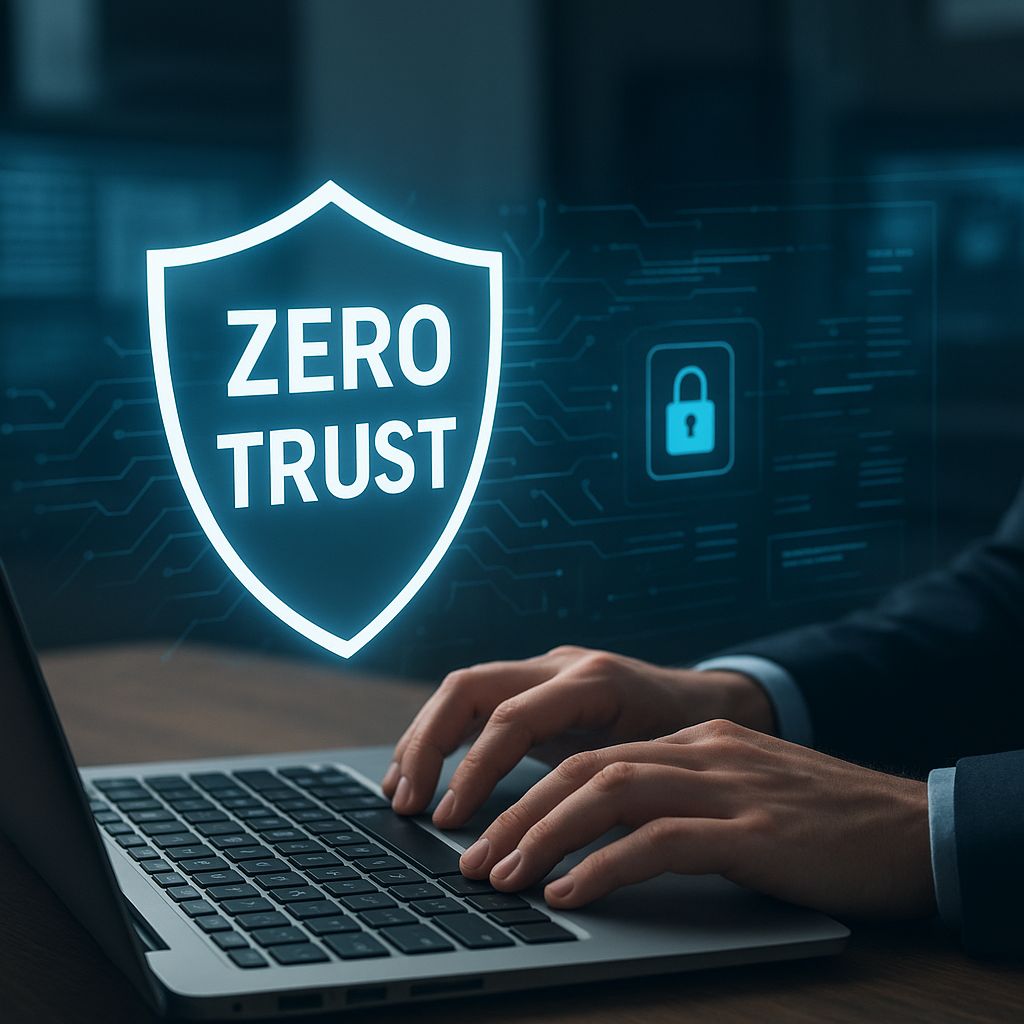
    As organizations continue to adapt to the challenges presented in a post-pandemic landscape, one cybersecurity model has emerged as a noteworthy focal point: Zero Trust. Rooted in the principle of “never trust, always verify,” Zero Trust architecture fundamentally redefines traditional network security paradigms by ensuring that no entity, whether inside or outside the network, is inherently trusted.

    The shift towards Zero Trust has been accelerated by the pandemic-driven hybrid work environments. With more employees working remotely, the conventional perimeter-based security model has become obsolete. This has put Zero Trust at the forefront of cybersecurity strategies, emphasizing micro-segmentation, strict access controls, and real-time verification processes to protect sensitive data across decentralized networks.

    Recent studies highlight that large corporations, notably within sectors such as finance and healthcare, have begun integrating Zero Trust frameworks to bolster their cybersecurity measures. A leading banking institution recently reported a significant reduction in unauthorized access attempts after implementing Zero Trust principles in its IT infrastructure. This proactive measure helped safeguard client data and ensure compliance with stringent regulatory requirements.

    Adopting a Zero Trust model involves comprehensive network visibility and strict identity verification processes. Enterprises are investing in advanced identity and access management (IAM) solutions to facilitate continuous and dynamic verification of user credentials and device health before granting access to critical resources.

    The Zero Trust model also emphasizes the principle of “least privilege,” wherein users are granted only the minimum level of access necessary to perform their tasks. This practice minimizes potential attack surfaces and mitigates risks by enforcing stricter controls over data permissions and user activities.

    Moreover, as cyber threats become increasingly sophisticated, the integration of AI and machine learning within Zero Trust frameworks has gained traction. By leveraging intelligent analytics, organizations can enhance threat detection and response capabilities, allowing for swift adaptation to evolving threat landscapes.

    While Zero Trust offers a robust approach to cybersecurity, it requires a cultural shift and deep commitment at all organizational levels. Successful implementation demands collaboration between IT departments, cybersecurity teams, and executive management to align security goals with business objectives.

    As more organizations recognize the benefits of Zero Trust, it becomes evident that this model is not a mere trend, but a necessary evolution in safeguarding the dynamic, cloud-centric business environments of today. By prioritizing real-time verification and stringent access controls, Zero Trust positions enterprises to better protect their digital assets in an era marked by constant cyber threats.


    Security Tech Brief
    • Website

    Keep Reading

    Strengthening Cyber Defenses: The Rise of Zero Trust Architecture

    The Evolution of Cybersecurity: Trends and Innovations in Threat Detection

    Navigating the Evolving Landscape of Cybersecurity Regulations

    Navigating the Evolving Landscape of Cybersecurity Compliance

    The Rising Tide of Ransomware: Navigating the Cybersecurity Challenges

    Latest Articles

    The Rise of Zero Trust Security Models in Corporate Environments

    November 11, 2026

    Navigating the Growing Threat of Supply Chain Cyber Attacks

    November 11, 2026

    Navigating the Evolving Landscape of Cybersecurity Compliance

    November 11, 2026

    Cybersecurity Mesh: A Revolutionary Framework for Modern Enterprises

    November 11, 2026

    Navigating the New Wave of Cybersecurity Standards in 2023

    November 11, 2026

    Subscribe to News

    Please use the form below to subscribe to our various newsletters.

    LinkedIn

    News

    The Rise of Zero Trust Security Models in Corporate Environments

    November 11, 2026

    Navigating the Growing Threat of Supply Chain Cyber Attacks

    November 11, 2026

    General

    Navigating the Surge in Cybersecurity Regulations: A Critical Concern for Businesses

    November 11, 2026

    The Rise of Cybersecurity Regulations: How Businesses Can Stay Ahead

    November 11, 2026
    • Information
    • Advertising
    • Classified Ads
    • Contact Info
    • Do Not Sell Data
    • GDPR Policy
    • Media Kits

    Vulnerabilities

    Evolving Strategies in Enterprise Vulnerability Management

    November 11, 2026

    Emerging Cybersecurity Vulnerabilities: Trends and Mitigation Strategies

    November 11, 2026
    • Subscriptions
    • Customer Support
    • Bulk Packages
    • Newsletters
    • Sponsored News
    • Work With Us

    Subscribe to Updates

    Please use the form below to subscribe to our various newsletters.

    © 2026 Security Tech Brief. All Rights Reserved.
    • Privacy Policy
    • Cookie Policy

    Type above and press Enter to search. Press Esc to cancel.