


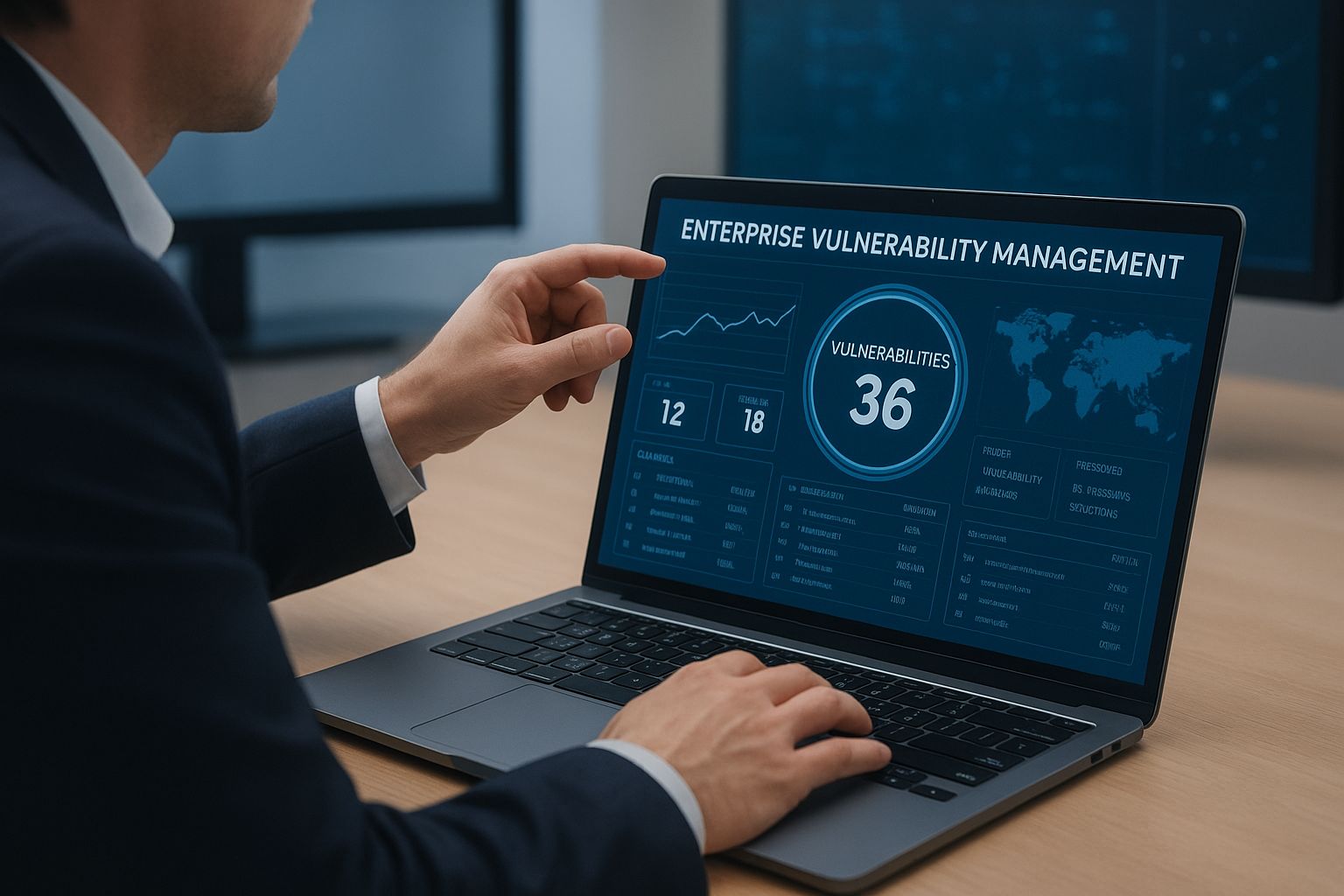
In today’s technology-driven landscape, enterprise vulnerability management has become a cornerstone in securing corporate information systems. With cyber threats becoming more sophisticated and frequent, businesses must prioritize identifying and mitigating vulnerabilities within their IT infrastructure.
One prevailing trend is the shift towards continuous monitoring as opposed to periodic vulnerability assessments. Traditional methods, which rely on scheduled assessments, often leave gaps as new vulnerabilities can emerge between scans. Continuous monitoring ensures real-time oversight of systems, enabling instant detection and response to emerging threats.
The rise of AI and machine learning tools in vulnerability management cannot be overlooked. These technologies enable automated threat detection, analysis, and response, reducing the potential for human error and increasing the speed at which organizations can react to potential vulnerabilities. Machine learning models quickly adapt to new threat patterns, making them a vital component in the arsenal of cybersecurity tools.
Moreover, there is a growing emphasis on integrated vulnerability management frameworks. These frameworks ensure that security measures are aligned with broader IT and business objectives, promoting a culture where security is ingrained in the company ethos. Such integration allows for data-driven decisions and ensures that resources are allocated efficiently to areas of the greatest risk.
Industries such as finance and healthcare, which handle sensitive data, have begun adopting sector-specific vulnerability databases and threat intelligence sharing networks. This collaborative approach enables organizations to benefit from collective knowledge and adapt quickly to new threats identified by other entities in their industry.
Regulatory compliance also plays a crucial role in shaping vulnerability management strategies. For instance, regulations like the GDPR in Europe and the CCPA in California enforce strict data protection requirements that mandate rigorous vulnerability assessments and prompt risk mitigation strategies.
In conclusion, the evolving landscape of enterprise vulnerability management necessitates an agile approach, continually adapting to technological advancements and regulatory changes. Embracing continuous monitoring, integrating AI tools, and collaborating on security intelligence will likely dictate the success of organizational strategies in managing vulnerabilities.
Ultimately, businesses that effectively manage their vulnerabilities stand a better chance of protecting their data integrity, maintaining customer trust, and sustaining their reputation in an increasingly competitive digital market.