


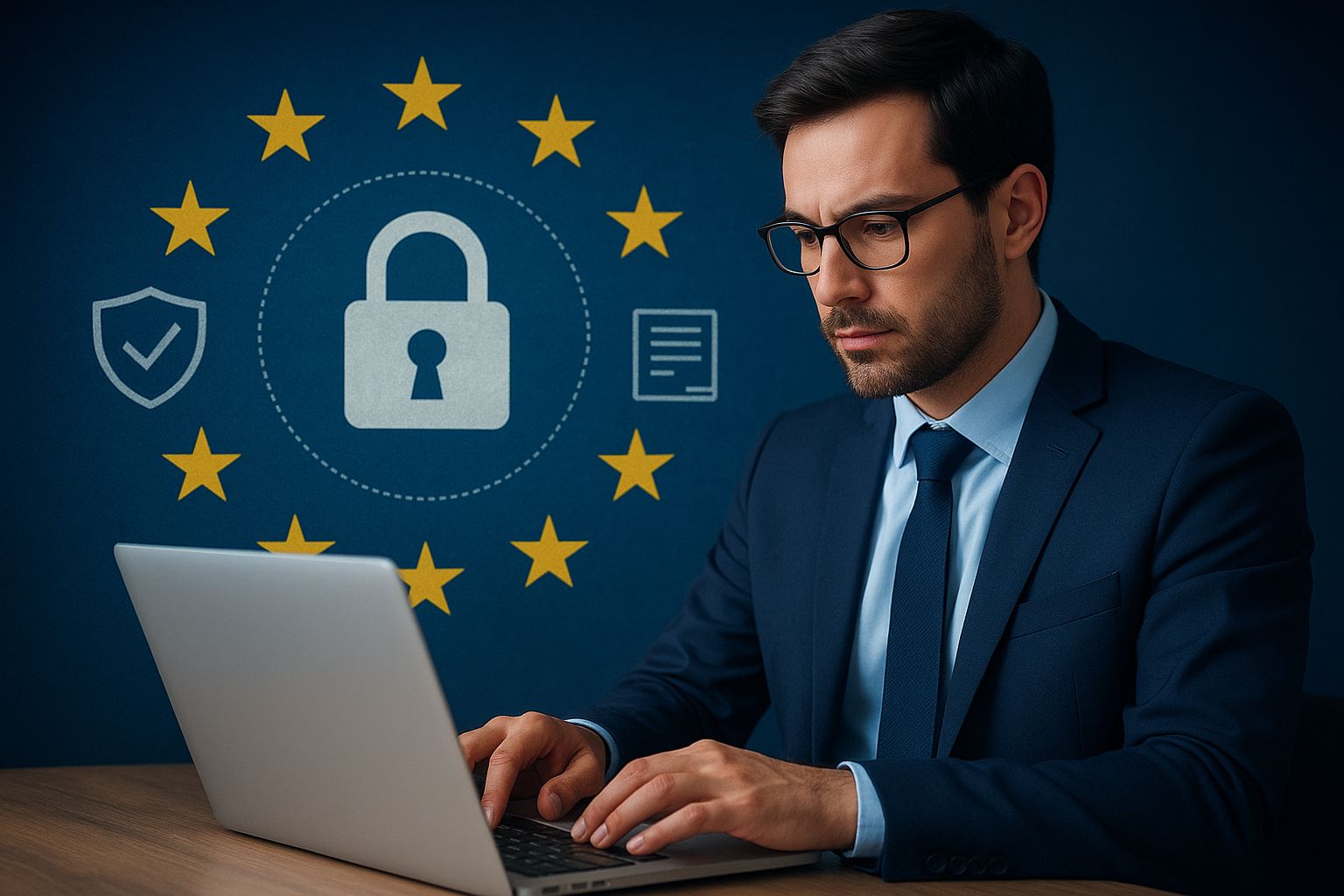
In recent years, the landscape of cybersecurity regulations has drastically evolved, compelling businesses to adapt swiftly to ensure compliance. As cyber threats grow more sophisticated and pervasive, regulatory bodies worldwide are enacting stringent measures to protect sensitive data and maintain trust in digital ecosystems.
A notable trend is the European Union’s General Data Protection Regulation (GDPR), which has set high standards for data privacy, influencing legislation globally. The GDPR’s stringent data protection measures have prompted organizations outside the EU to re-evaluate their compliance strategies, given its extraterritorial reach. Consequently, US companies are increasingly aligning their cybersecurity policies with GDPR standards to avoid hefty fines and legal repercussions.
Moreover, the California Consumer Privacy Act (CCPA) has emerged as a pioneering regulation in the United States, granting consumers greater control over their personal information. As more US states propose similar regulations, businesses face a mosaic of data protection laws, demanding comprehensive compliance frameworks.
Businesses must also navigate international cybersecurity regulations such as China’s Cybersecurity Law, which emphasizes data localization and scrutinizes information systems. Organizations operating in multiple jurisdictions encounter additional complexities, requiring an agile approach to risk management and compliance adherence.
To stay ahead, companies must bolster their cybersecurity measures, integrate robust data protection strategies, and continuously monitor regulatory changes. Implementing comprehensive staff training programs and fostering a culture of security awareness is essential. Additionally, investing in advanced technologies such as AI-driven threat detection and automated compliance reporting tools can significantly enhance an organization’s ability to meet evolving regulatory demands.
Emphasizing collaboration with legal advisors and cross-functional teams can streamline processes and ensure alignment across departments. By adopting a proactive stance on cybersecurity and compliance, businesses can safeguard their operations against potential breaches and enhance their reputation in the eyes of consumers and regulators alike.