


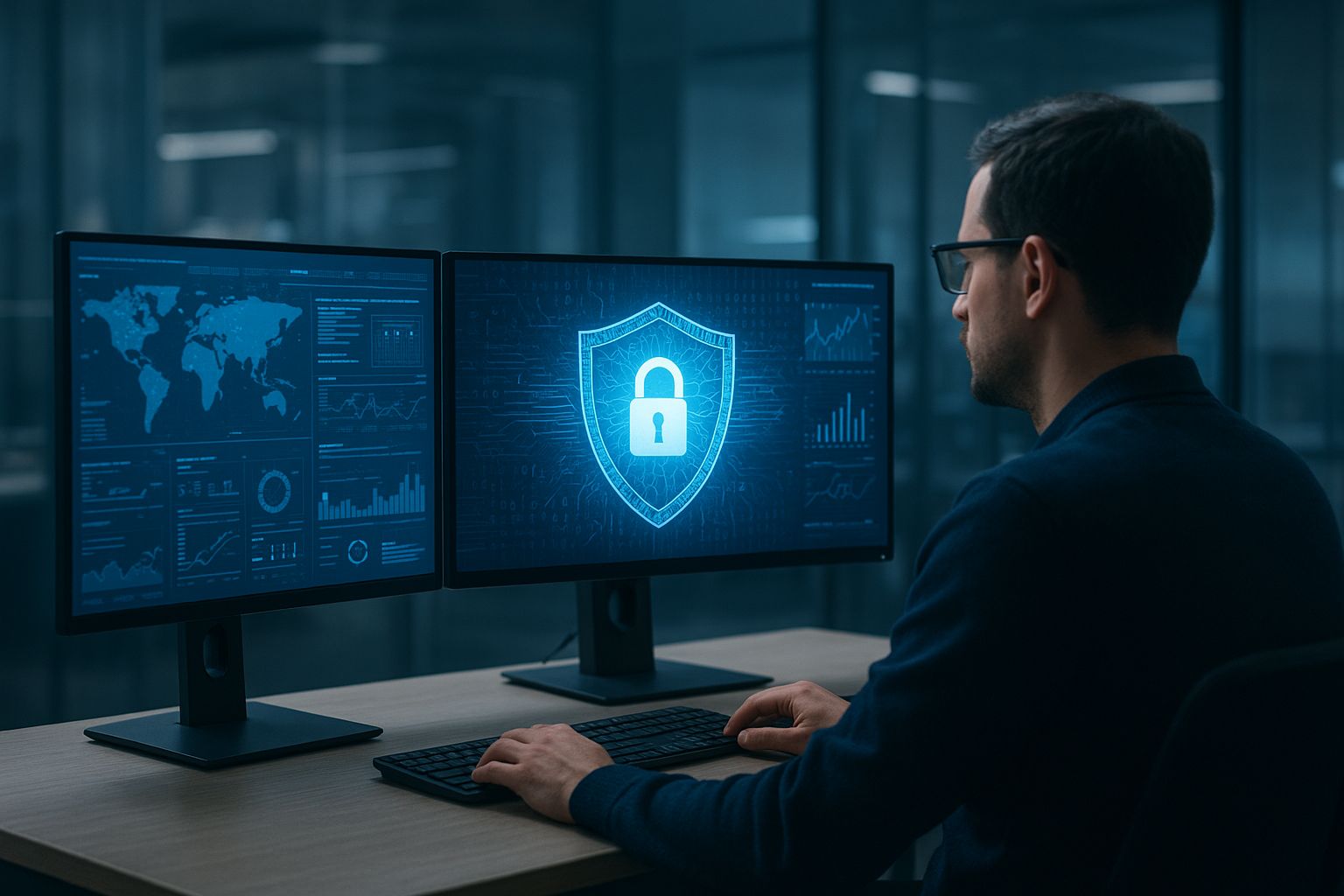
In the realm of cybersecurity, the rapid evolution of threat vectors continues to challenge organizations across industries. As cybercriminals become more sophisticated, businesses must adapt by implementing advanced threat detection technologies and evolving their security strategies to provide robust protection.
One trend that has emerged as a cornerstone in cybersecurity is the deployment of artificial intelligence (AI) and machine learning (ML) to enhance threat detection and response. AI-driven tools can analyze vast amounts of data to identify anomalies and predict potential threats before they materialize. This proactive approach allows businesses to stay one step ahead of cybercriminals, reducing the likelihood of data breaches and other malicious activities.
Alongside AI and ML, the integration of behavioral analytics has gained traction as an effective means of threat detection. By monitoring user behavior for patterns and irregularities, organizations can swiftly identify insider threats or compromised user accounts. This method not only helps in preventing unauthorized access but also strengthens overall data security protocols.
Cloud computing, while providing undeniable benefits in terms of scalability and cost-effectiveness, has necessitated a shift in security strategies. Companies are increasingly adopting cloud-native security solutions that prioritize real-time monitoring and provide comprehensive visibility across cloud environments. This shift ensures that security measures keep pace with the dynamic nature of cloud-based infrastructure.
Cybersecurity frameworks such as the Zero Trust Architecture continue to gain prominence. By assuming no element within or outside an organization’s network is inherently trustworthy, this framework enforces stringent access controls and continuous verification mechanisms. It ensures that only authenticated and authorized users can access sensitive data and resources, thus mitigating potential risks from both external and internal sources.
Furthermore, companies are expanding their focus from traditional cybersecurity measures to a more holistic approach known as cyber resilience. This encompasses not only protection and detection but also recovery and continuity planning in the event of a cyber incident. By doing so, organizations fortify their defenses while ensuring rapid recovery and minimal disruption to business operations in the face of an attack.
As corporations strive to stay ahead of emerging threats, collaboration becomes crucial. Information sharing and partnership within and across industries enable a unified stance against cyber threats. Initiatives such as threat intelligence exchanges allow firms to share insights on malicious activities, thus improving the overall security posture of participating organizations.
The cybersecurity landscape is ever-evolving, and staying informed about current trends and innovations is vital for ensuring effective protection. By leveraging advanced technologies and adaptive strategies, businesses can navigate the complex cybersecurity terrain with confidence.