


The relentless evolution of cyber threats has compelled organizations worldwide to rethink their cybersecurity strategies. As traditional perimeter-based defenses falter in the face of sophisticated tactics, zero trust architecture emerges as a revolutionary paradigm. This approach negates the traditional notion of inside-outside network zones and embraces a model where trust is never assumed, continuously verifying each user's access rights and network behavior.
Zero trust architecture's rise coincides with the burgeoning trend of remote work and cloud-computing, presenting challenges in managing diverse endpoints and user identities across multiple networks and geographies. Gartner's recent reports highlight that 60% of enterprises will actively adopt zero trust strategies by next year, emphasizing its importance in bulletproofing IT infrastructure.
In practice, zero trust encompasses rigorous identity verification, even for users already within the network. Employing multifactor authentication, encryption, and real-time anomaly detection, businesses can effectively safeguard sensitive data against potential breaches. The financial sector, from my past experiences, has been quick to incorporate these strategies, given the heightened need for compliance and risk mitigation.
A notable case is the recent initiative by a leading U.S. financial institution. Their implementation of zero trust methodologies significantly reduced unauthorized data access by 75%, showcasing its effectiveness. Incorporating machine learning to analyze usual access patterns and flagging unusual activities was crucial in this success.
Embracing zero trust may initially present logistical challenges, involving significant overhauls of existing infrastructure and workflows. However, the long-term benefits of heightened security and resilience against evolving threats make it a necessary transformation. As organizations endeavor to adapt to a digital-first environment, reaffirming robust strategies like zero trust becomes indispensable for enduring success.
Estimated reading time: 1 minute, 27 seconds
Embracing Zero Trust Architecture: A Paradigm Shift in Cybersecurity Featured
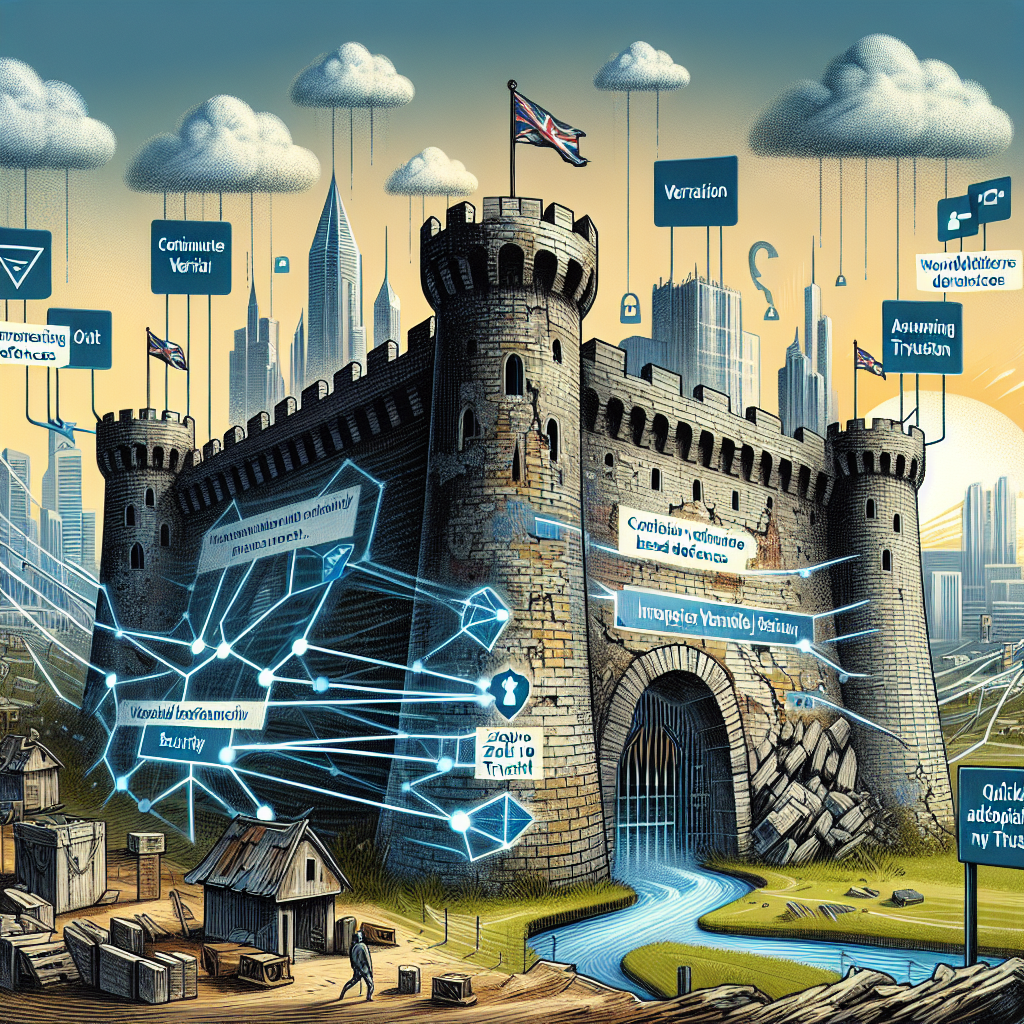 Explore the pivotal role of zero trust architecture in fortifying cybersecurity amidst evolving digital threats. Learn how this paradigm shift empowers organizations to protect network integrity.
Latest from Security Tech Brief
- Emerging Trends Disrupting Cybersecurity Practices
- Emerging Cybersecurity Threats: Recent Trends and How to Tackle Them
- Emerging Threats: Understanding the Growing Cybersecurity Vulnerabilities
- Navigating the Complex World of Cybersecurity Compliance
- Emerging Cybersecurity Challenges in the Banking Sector
Most Read
-

-
Jan 30 2020
-
Written by Security Tech Brief Staff
 A final tally of U.S. data breaches for last year…
-
-
-
Jan 25 2019
-
Written by Security Tech Brief Staff
 About 20,000 financial advisers who are clients of BlackRock had…
-
-
-
May 27 2019
-
Written by Security Tech Brief Staff
 The Chinese government is conducting cybersecurity investigations of foreign companies…
-
-
-
Jun 01 2019
-
Written by Security Tech Brief Staff
Redtail Technology’s handling of an investor data leak possibly violated…
-