


The adoption of Zero Trust Architecture (ZTA) has become a defining trend in cybersecurity over the past few days, as organizations worldwide focus on fortifying their data against increasingly sophisticated cyber threats. Unlike traditional network security models that assume trust within the network, ZTA operates on the principle of "never trust, always verify," ensuring every entity trying to access resources is authenticated and authorized.
One key trend propelling Zero Trust into the spotlight is the dramatic increase in remote work, which has blurred the boundaries of traditional network perimeters. Employees accessing company systems from various locations pose unique challenges, compelling organizations to enforce granular access controls. This transformation amplifies the need for Zero Trust, as it ensures that only legitimate users can access sensitive information.
A real-life illustration of these principles is the successful implementation of ZTA by a leading financial institution in the United States. Facing frequent cyber threats, the firm adopted a strategy centered around Zero Trust, incorporating multi-factor authentication (MFA), network micro-segmentation, and continuous monitoring of user activities. This proactive approach greatly minimized unauthorized access incidents, showcasing the efficacy of Zero Trust in safeguarding sensitive customer data.
Current discourse around Zero Trust includes its integration with artificial intelligence (AI) and machine learning (ML) to bolster its capabilities further. Predictive analytics and threat intelligence are being leveraged to anticipate potential security breaches before they occur. By analyzing patterns and anomalies in user behavior, AI/ML models afford real-time threat detection, reducing the window of vulnerability for cyberattacks.
However, as organizations rush to implement these robust defense mechanisms, there are challenges to be wary of. The complexity and cost of transitioning to Zero Trust can be substantial barriers for small and mid-sized enterprises. Nonetheless, with cybersecurity at the forefront of organizational priorities, many experts argue that the cost of not implementing Zero Trust is significantly higher in the long run.
As businesses continue to navigate an increasingly intricate cyber landscape, leaders must remain cognizant of emerging threats and invest in adaptive, scalable security frameworks like Zero Trust Architecture. By adopting a holistic security mindset, organizations can better protect their digital assets against the evolving threat matrix.
Estimated reading time: 1 minute, 54 seconds
The Rise of Zero Trust Architecture in Cybersecurity Featured
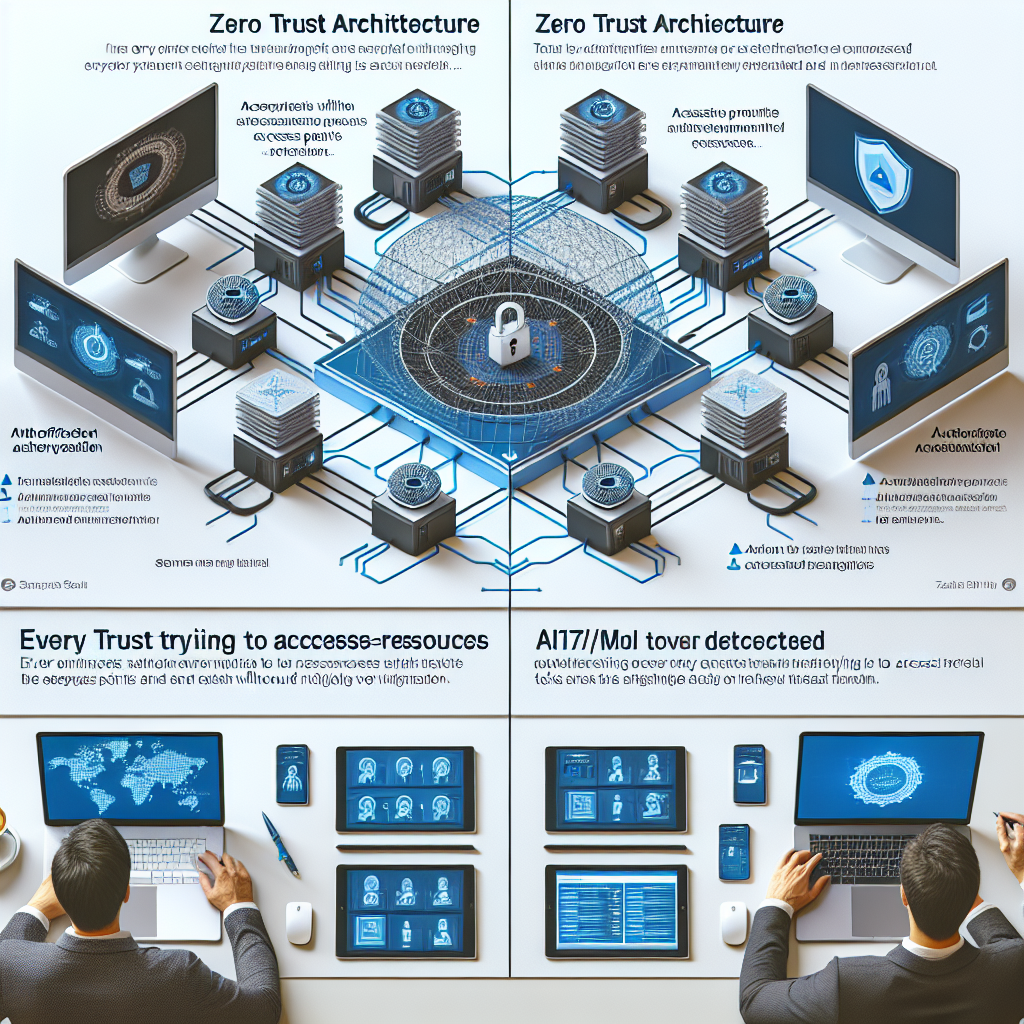 Explore the rise of Zero Trust Architecture in cybersecurity, its implications, real-life applications, and the role of AI/ML in enhancing digital security.
Latest from Security Tech Brief
- Navigating the Rise in Cybersecurity Vulnerabilities: Protecting Business Assets
- The Rise of Quantum Encryption in Cybersecurity
- The Rising Threat of AI-Driven Cybersecurity Attacks
- The Rise of Zero Trust Architecture in Modern Cybersecurity
- The Rise of Zero Trust Architecture: A Paradigm Shift in Cybersecurity
Most Read
-

-
Jan 30 2020
-
Written by Security Tech Brief Staff
 A final tally of U.S. data breaches for last year…
-
-
-
Jan 25 2019
-
Written by Security Tech Brief Staff
 About 20,000 financial advisers who are clients of BlackRock had…
-
-
-
May 27 2019
-
Written by Security Tech Brief Staff
 The Chinese government is conducting cybersecurity investigations of foreign companies…
-
-
-
Jun 01 2019
-
Written by Security Tech Brief Staff
Redtail Technology’s handling of an investor data leak possibly violated…
-