


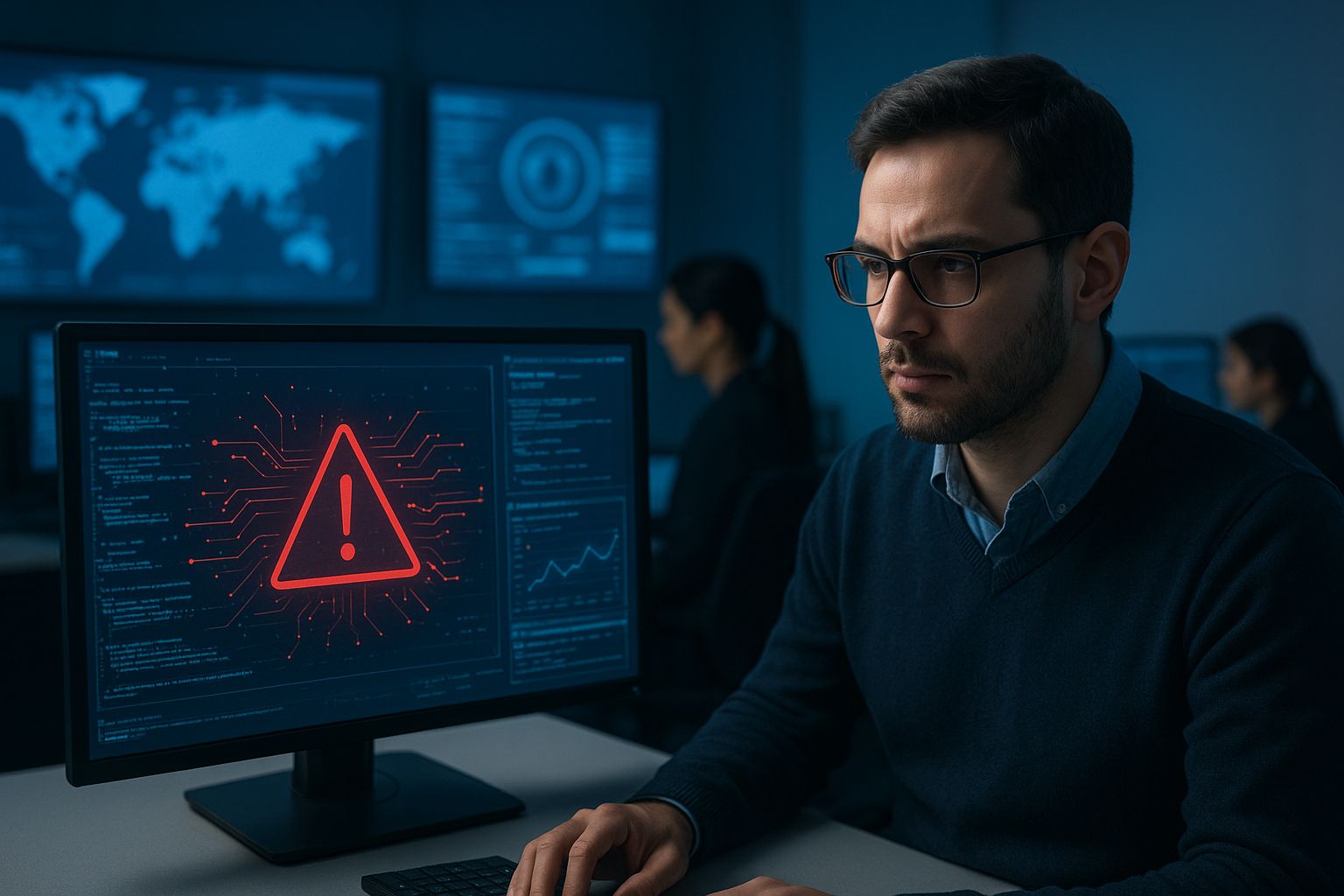
As cybersecurity threats become increasingly sophisticated, organizations are facing new challenges in addressing vulnerabilities that can impact their operations and data integrity. A recent trend in the realm of cybersecurity is the emergence of advanced persistent threats (APTs) which target sensitive data in both government and private sectors, reflecting a need for more comprehensive security frameworks.
Key examples of these evolving threats include the SolarWinds attack, which demonstrated the vulnerability of complex supply chains, and the growing prevalence of ransomware attacks that target critical infrastructure. Such incidents highlight the need for robust threat detection and response strategies that incorporate both technological and human elements to effectively mitigate risks.
Understanding the lifecycle of a vulnerability is crucial for corporates to efficiently manage cybersecurity risks. This lifecycle typically includes the discovery of vulnerabilities, the availability of patches, and the deployment of solutions to protect against exploitation. Addressing these factors demands collaboration across information security teams, software developers, and compliance officers to ensure that sustainable protection measures are in place.
Global regulatory bodies are also recognizing the heightened risk associated with cybersecurity vulnerabilities. For instance, recent updates to the General Data Protection Regulation (GDPR) emphasize the importance of protecting personal data against unauthorized access and breaches, urging companies to reassess their cybersecurity protocols regularly.
Going forward, organizations must not only prioritize traditional control mechanisms such as firewalls and antivirus software but also invest in continuous monitoring and artificial intelligence solutions to predict and prevent potential breaches. The implementation of zero-trust architecture, which assumes that threats can arise from both external and internal sources, provides another layer of protection by minimizing unauthorized access to critical systems.
Additionally, a robust incident response plan is essential. Such plans should include mechanisms for learning from previous vulnerabilities and adapting security postures accordingly. This approach not only serves to protect proprietary data but also reinforces a company’s legal and ethical responsibilities in safeguarding customer and client information.
As the cybersecurity landscape evolves, organizations that remain vigilant and proactive in addressing vulnerabilities stand to gain competitive advantages in terms of reputational capital and operational resilience. Ensuring a proactive approach to cybersecurity will help safeguard against ever-emerging threats while meeting regulatory compliances that increasingly dictate the business environment.